
Energy according to operation and growth

Not all industries face the same level of pressure, continuity, criticality, or decision-making structure.

Kualion understands that the conversation about energy changes radically depending on the sector. Here, we start with your context.
Mujer ingeniera con casco y chaleco reflectante señalando turbina eólica en un terreno árido.
Torres de electricidad y chimeneas industriales con humo oscuro al atardecer.

Changing the conversation across industries

A manufacturing operation does not evaluate energy the same way a data center does. A mining company does not have the same constraints as a multi-site industrial park. Each industry has its own logic regarding pressure, continuity, and decision-making structure.

The conversation about energy changes radically depending on the operational context. What is a cost issue for one sector is a matter of operational survival for another.

Kualion helps you understand which proposal works best for your needs. We don't start with generic solutions; we base our approach on understanding your industry's logic, its specific challenges, and the decision-making structure that governs it.
Priority sectors

The sectors where energy defines the operation

Four active sectors with specific methodology. One conditional sector under evaluation.

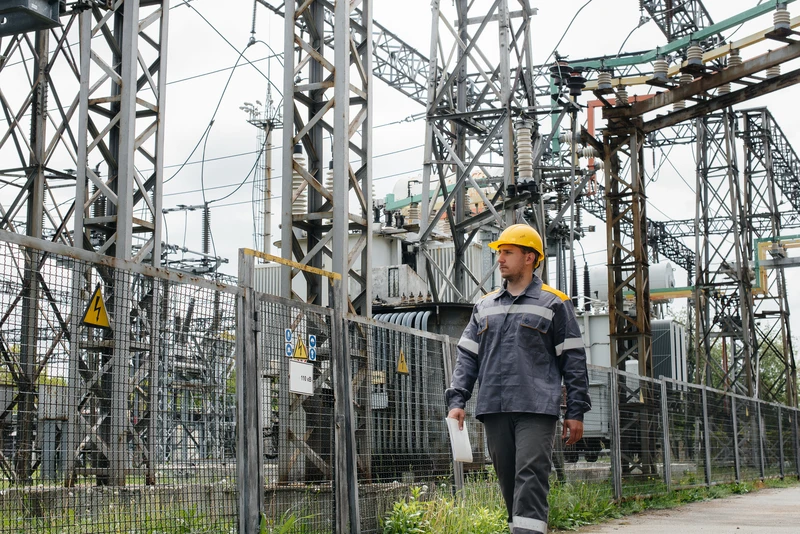
Subestación eléctrica con transformadores y torre de alta tensión bajo cielo azul.

Manufacturing and automotive

Continuous operations with high base demand, constant cost pressure, and a need for visibility by production line.

Mining and metallurgy

Intensive demand in thermal and extraction processes. Energy is the most critical and costly input for the operation.

Data centers and critical operations

Maximum criticality. Any interruption has direct consequences, and energy prices impact business profitability.

Industrial parks and multi-site operations

Complex energy management for multiple load centers. Consolidated visibility and joint negotiation are the advantage.

Measurement capabilities

Common challenges by industry

Kualion begins with a sector-specific diagnosis to design solutions aligned with the needs and goals of each organization.

01

Energy price fluctuations

Energy is an increasingly critical component of operating costs. Without a purchasing strategy and structured management, price volatility can affect planning, profitability, and decision-making.

02

Growth without infrastructure visibility

When there is insufficient visibility into infrastructure, demand, and system conditions, expansion can hit limits that hinder continuity, investment, or speed of execution.

03

Lack of clarity on actual future consumption

Without a more accurate reading of future consumption, it is difficult to assess risks, size requirements, and structure a sustainable path.

04

Limited visibility into actual consumption

A lack of visibility doesn't just affect tracking; it also limits the ability to act in time.

Industrial Sectors

We transform energy diagnostics into operational control

view sectors
(01)

Manufacturing and automotive

Trabajador con traje azul ensamblando la estructura metálica de un automóvil en una fábrica moderna.

Continuous process plant, high base demand, and strict quality requirements.

Automotive
Food and beverage
Electronics
Pharmaceutical
(02)

Mining and metallurgy

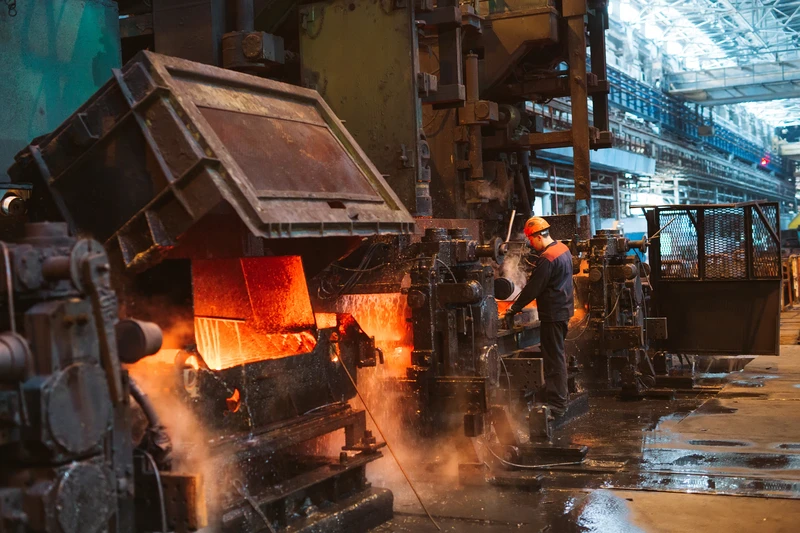
Trabajador en planta metalúrgica operando maquinaria con metal fundido brillante y vapor.

High demand in remote areas,
proprietary infrastructure, and
critical cost exposure.

Smelting
Refining
Underground mining
Open-pit mining
(03)

Data centers and critical operations

Vista aérea de un parque empresarial con edificios de oficinas y estacionamientos bajo un cielo parcialmente nublado.

24/7 availability, critical redundancy, and PUE optimization for energy efficiency.

Perimeter
Cloud
Logistics
Specialized (clusters)
(04)

Industrial parks and multi-site operations

Máquina automatizada con caja de cartón abierta para empaques en proceso de producción industrial.

Multi-user management, shared infrastructure, and collective purchasing strategies in the MEM.

Plastic
Cardboard and paper
Metal
Wood
(05)

Glass and intensive thermal processes

Botellas de vidrio calientes en línea de producción siendo moldeadas por maquinaria industrial.

In processes where heat and energy intensity are at the core of operations, efficiency and continuity are not optional.

Plastic
Cardboard and paper
Metal
Wood
Mexico's next great resource isn't energy: it's understanding it.
Chief Technology and Innovation Officer
Gustavo Nieto Michelis
+40MW
In operation
+75MW
Contracted
+20
Load Centers in operation
7
Exempt power plants under representation
+300
Contracted Load Centers
Resources and news

Results that support the criteria

We turn energy diagnostics into operational control
view resources
Jul 22, 2026

Qualified Supply in Mexico: Requirements, Process and Decision Criteria

A practical guide to eligibility, implementation, contracts and business criteria for companies evaluating Qualified Supply in Mexico.
Read
Jul 22, 2026

Beyond Corn: The Energy Powering Mexico’s Industrial Economy

Electricity is no longer just an operating expense. Learn how it affects cost, continuity and growth—and what a company should assess before changing its energy strategy.
Read
Jul 22, 2026

How to Evaluate a Transition to Qualified Supply in Mexico

A structured method for determining eligibility, business suitability and readiness before transitioning from Basic Supply to Qualified Supply in Mexico.
Read
Jul 22, 2026

Basic Supply vs. Qualified Supply in Mexico: What Companies Should Compare

An objective comparison of Basic Supply and Qualified Supply: what they share, what changes and what a company should review before deciding.
Read
Jul 22, 2026

What Is Mexico’s Wholesale Electricity Market and How Does It Work for Companies?

A clear map of Mexico’s Wholesale Electricity Market: participants, products, system operation, Qualified Supply and the decisions large electricity users should understand.
Read
Jul 22, 2026

5 Signs Your Company Is Ready to Evaluate Qualified Supply in Mexico

Meeting the demand threshold is not enough. Review the five signs that show whether your company is ready to evaluate, negotiate and implement a change in supply arrangements.
Read
Frequently asked questions

Clarity in the face of complexity

We answer the most common questions decision-makers face when evaluating a change in their energy strategy.

Is the main benefit cost savings?

Financial benefits matter, but they aren't always the first or only factor at play. In many cases, the decision also hinges on operational continuity, control, visibility, scalability, and reduced uncertainty.

How do I know if my sector is a good fit for Kualion?

It makes sense when energy is no longer a secondary variable and starts to impact continuity, cost, growth, or decision-making capacity. Rather than fitting into an industry by name, what matters is that there is a real need for more clarity, structure, or guidance.

Does this section replace Solutions?

No. Solutions organizes how Kualion helps and which paths you can activate based on your needs. Sectors brings that conversation down to the operational context of each industry so that the prospect understands how the problem changes based on their reality.

Why organize the site by sector?

Because the same energy decision doesn't play out the same way across all industries. A data center, a mining operation, or a multi-site structure face different pressures, and understanding that context helps us have a more grounded conversation.

What kind of problems does Kualion aim to solve in each sector?

Problems where energy already has a significant impact on operations: continuity, visibility, cost, growth, or decision-making structure. The purpose of this section is to show how those pressures change depending on the industry.